
A freezer that is running but not freezing is a race against the contents. Before anything else, decide what is worth saving: food that still has ice crystals and is at 40°F or below can be refrozen with some quality loss, and anything that has been above that for more than two hours should go.
With that decided, here is the sequence that identifies the cause, in the order that costs you nothing before it costs you a service call.
First, rule out the innocent explanations
A freezer that was just loaded with a warm shop is not broken — it needs a day. A door left ajar overnight produces the same symptom, and so does a chest freezer in an unheated garage during a cold snap, because many models are not rated to run in low ambient temperatures and simply stop calling for cooling.
Check the setting too. A dial knocked toward the warm end by a stacked box is a genuinely common cause and an embarrassing one to pay a technician to find.
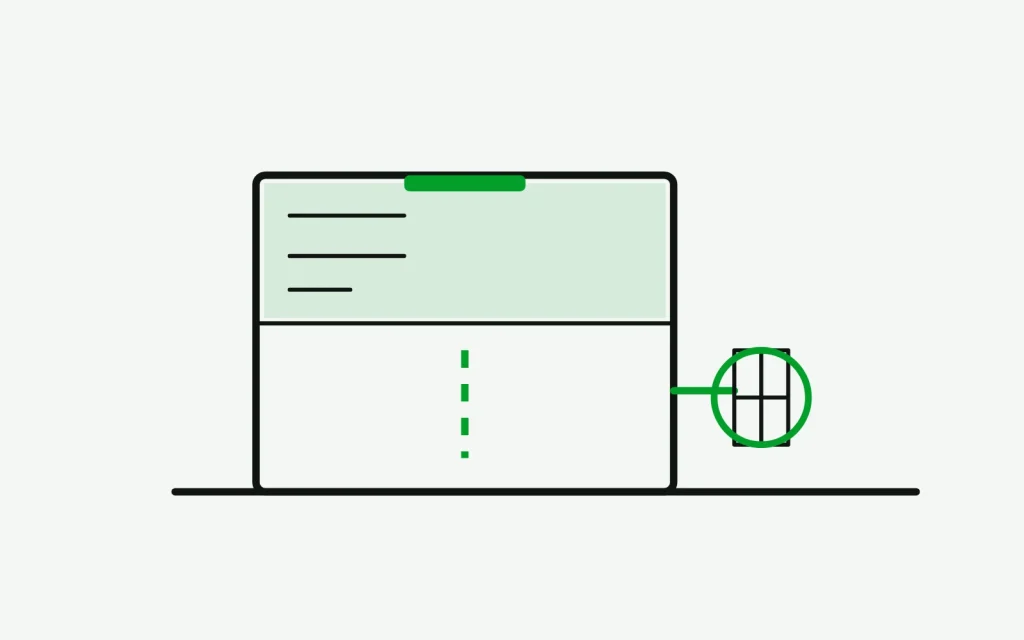
The gasket test
Close the lid or door on a piece of paper and pull. If it slides out freely, that spot is not sealing. Work around the whole perimeter — failures are usually local, at a corner or along the hinge side. A gasket that has gone hard, or one with a tear, lets in a continuous supply of humid room air, which shows up as frost buildup and a compressor that never stops.
Gaskets are a replaceable part on most machines and one of the cheaper repairs there is.
Airflow and frost
In an upright frost-free freezer, cold is blown around by a fan and the coil is cleared periodically by a defrost cycle. Two things break that. Packing the compartment to the walls blocks the vents, and a failed defrost component lets frost build over the coil until air stops moving through it. If the back panel inside is cold and the unit is quiet where it used to hum, that combination points at defrost.
A manual-defrost chest freezer behaves differently: there is no fan, and frost is simply the owner’s job. More than a quarter inch on the walls measurably hurts performance, and clearing it is free.
The coils behind and underneath
Condenser coils reject the heat pulled out of the box. Coated in dust, or worse in pet hair, they cannot, and the freezer runs constantly while losing ground — especially in a warm basement or a garage in August. Unplug the unit, vacuum the coils at the back or behind the bottom grille, and give the machine a few inches of clearance from the wall.
This one job resolves a real share of “not freezing” complaints and prevents more of them than any other maintenance a homeowner can do.
What the sounds tell you
- Compressor runs continuously, box stays warm: airflow, coils, gasket, or a low charge.
- Compressor hums for a second and clicks off, repeatedly: a start relay or a seized compressor, and that is a call.
- Nothing at all, no light, no hum: power, outlet, or control before anything expensive.
- Fan noise like something is rubbing: ice against the fan blade, which means defrost.
Repair or replace
Gaskets, thermostats, defrost heaters, fans and start relays are ordinary repairs and worth doing on a machine with life left in it. A sealed-system leak or a failed compressor on a freezer past ten years is usually the point to stop — the full version of that arithmetic is in our guide to repairing versus replacing appliances.
If the fridge alongside it is behaving oddly too, the fault may be shared: a warm fridge with a cold freezer is a different diagnosis entirely.
We cover freezer repair and refrigerator repair across Greater Boston, with same-day windows most weeks. Describe the symptom and the sound on the phone at (617) 404-9944 — diagnosis over the call is free, and it usually tells us which part to bring.
